The Importance of Timing in Floral Preservation
The Art of Floral Preservation
Floral preservation is a delicate process that captures the beauty of blooms long after they have been picked. This art form requires careful consideration of several factors, among which timing is paramount. Understanding when to begin the preservation process can significantly impact the quality of the preserved flowers.
Understanding Bloom Stages
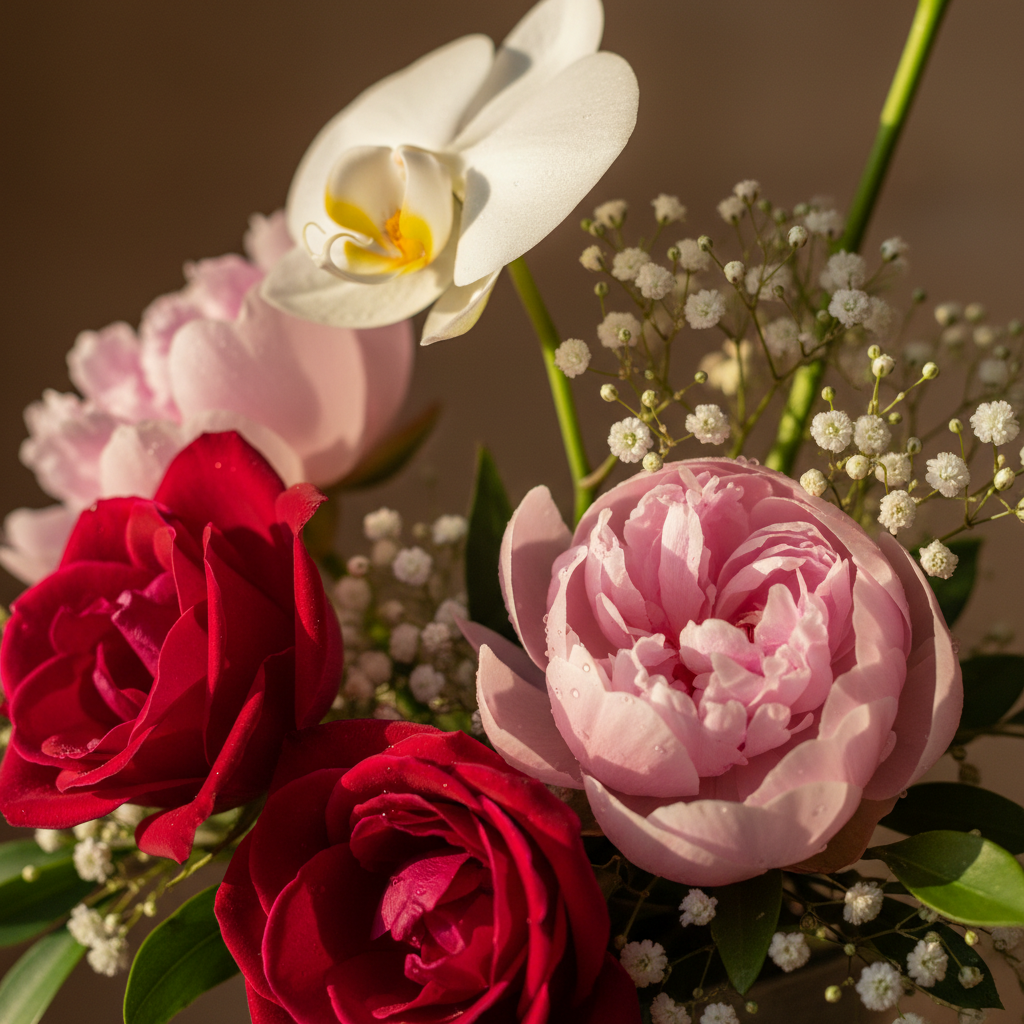
Before delving into preservation, it's crucial to recognize the different stages of a flower's bloom. Flowers typically go through stages from bud to full bloom. Each stage offers a unique aesthetic, but not all are ideal for preservation. For optimal results, it is often best to preserve flowers that are either in the bud stage or just reaching full bloom.
Preserving at the right stage ensures that the flower maintains its shape and color. A flower that is too mature might lose its petals or fade during the preservation process, while a bud might not fully reveal its beauty.
Methods of Preservation
There are several methods for preserving flowers, including air drying, pressing, and using silica gel. Each method has its own optimal timing. For instance, air drying requires the flower to have some moisture content to retain its shape, while pressing is best done when the flower is at its flattest stage.
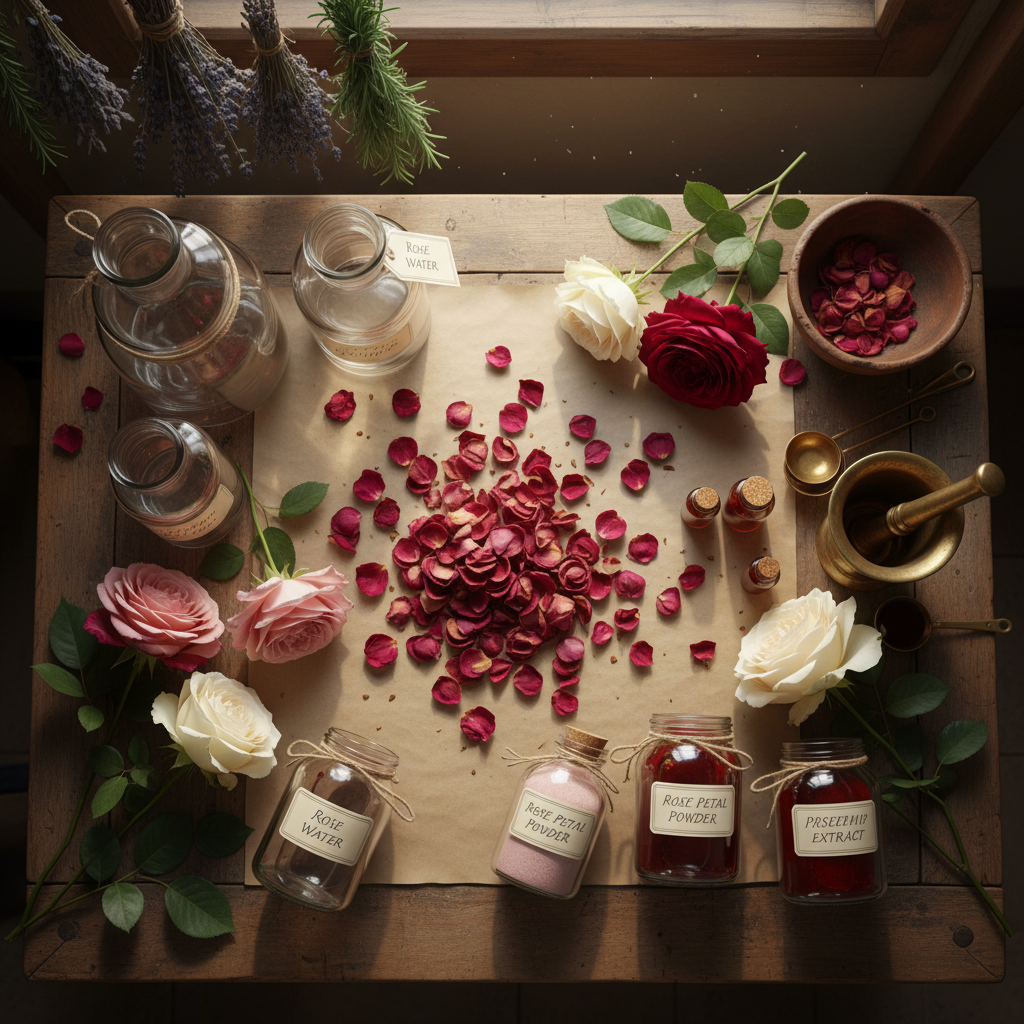
Silica gel, often considered the most effective method, allows for more precision in timing. It works best with flowers that are in full bloom but have not begun to wilt. The gel absorbs moisture quickly, preserving the flower's vibrant color and intricate details.
The Role of Environment
Environmental factors play a significant role in determining the right time to preserve flowers. Humidity, temperature, and light exposure can all influence the timing. Ideally, flowers should be harvested on a dry day, as excess moisture can hinder the preservation process.
It's also important to consider the time of day. Flowers are typically more hydrated in the morning, making this an ideal time for cutting and preserving. However, ensure that any dew or rain has evaporated to prevent mold growth during preservation.
Choosing the Right Flowers
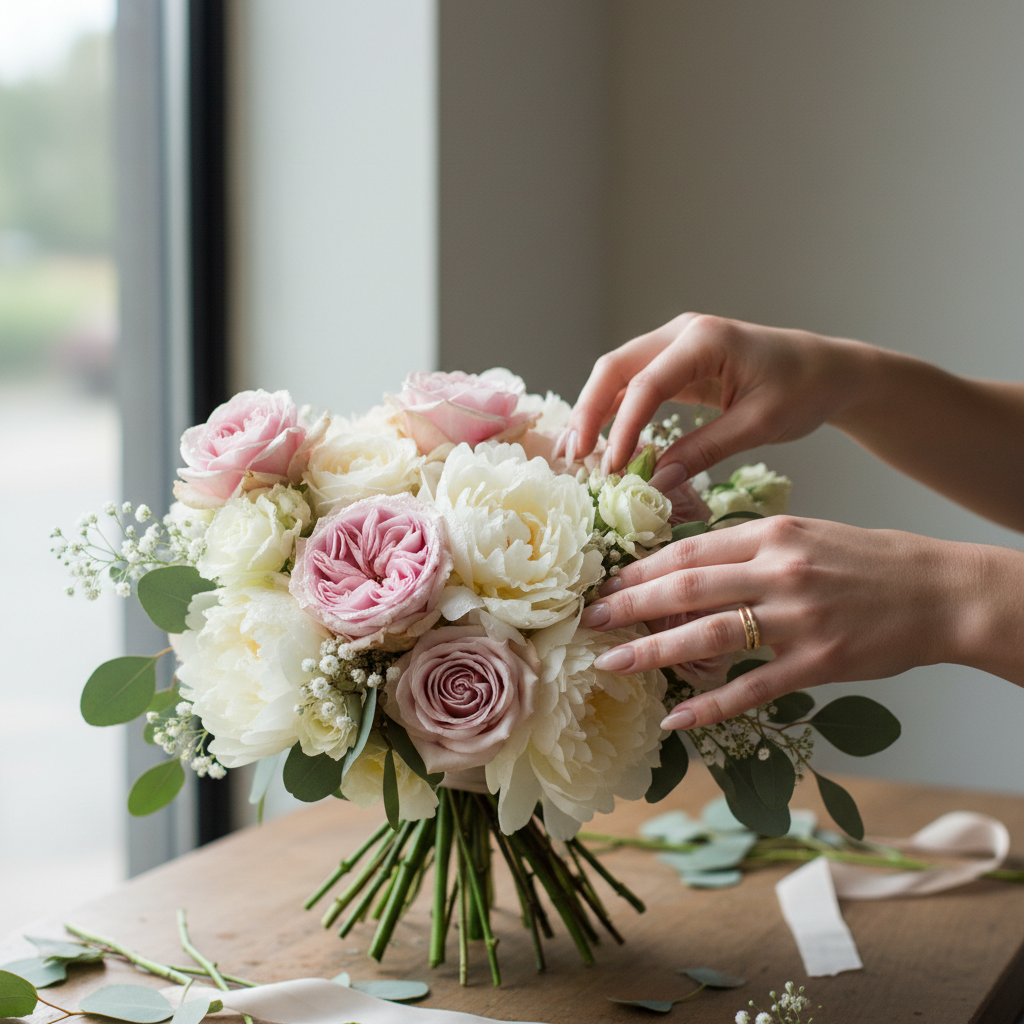
Not all flowers are suitable for preservation. Some, like roses and daisies, maintain their beauty well, while others may not preserve as effectively. When selecting flowers, consider their natural durability and color. Brightly colored flowers tend to retain their hues better than lighter ones.
Additionally, choose flowers that have strong stems and petals. These characteristics help the flower hold its shape throughout the preservation process, ensuring a more aesthetically pleasing result.
Conclusion: Timing is Everything
In the world of floral preservation, timing is truly everything. By understanding the nuances of bloom stages, preservation methods, and environmental factors, you can capture the essence of nature's beauty for years to come. Whether you're preserving flowers for a special occasion or simply to enjoy their beauty longer, timing your efforts correctly will make all the difference.